
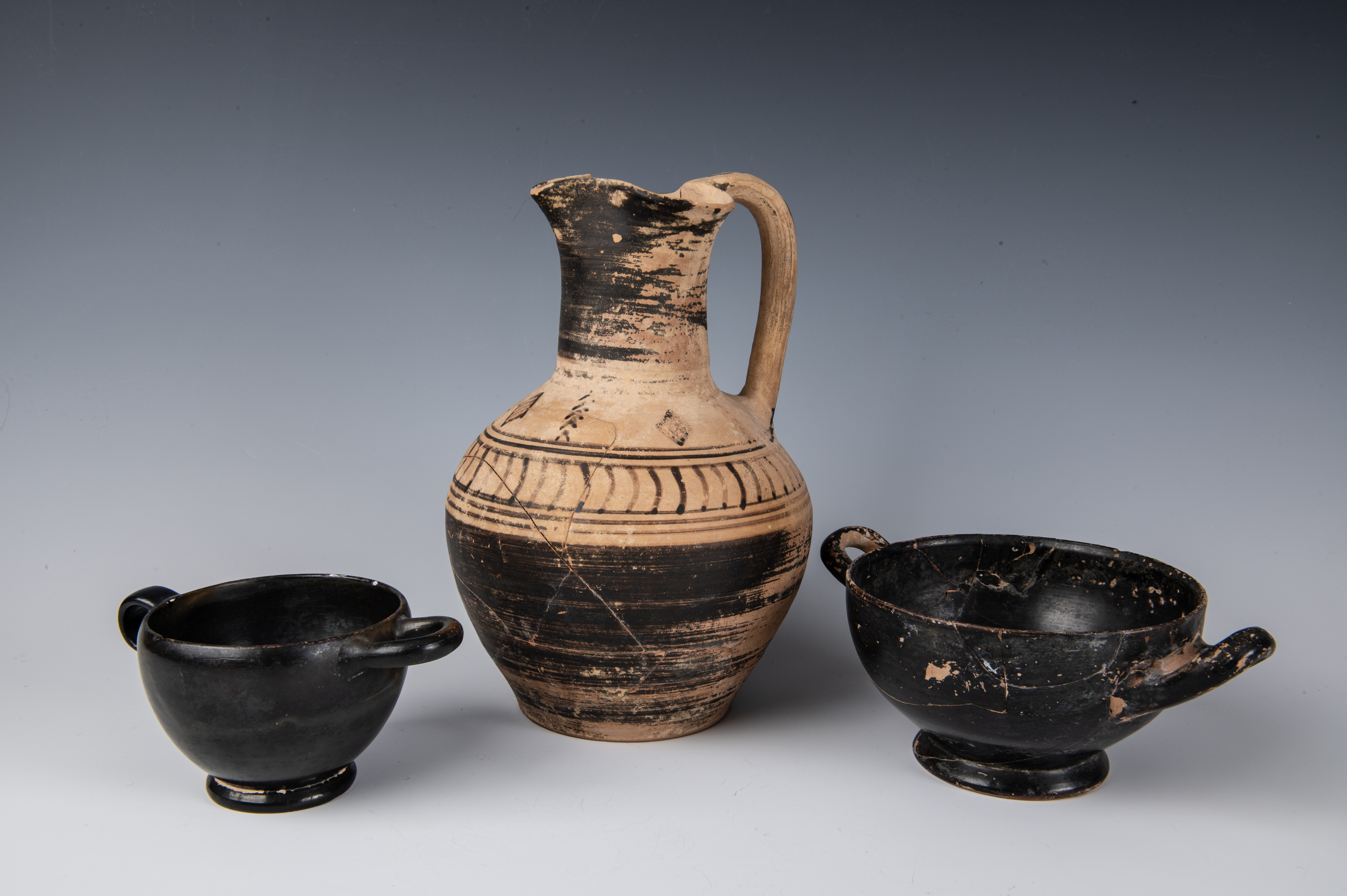
The Maxwell Museum of Anthropology at The University of New Mexico is opening a new exhibit, Entangled Cultures: How humans and microbes co-create through fermentation, curated by Toni Gentilli. The exhibit will be on display from March 8 through March 14.
Join the museum staff and curators to be one of the first to explore the exhibit at the opening reception Saturday, March 8, from 2 – 4 p.m. A wide selection of fermented foods and beverages from local producers will be available to sample.
The exhibit traces the interplay of cultural and microbiological forces from the origin of our species through the development of fermentation practices across human and microbial cultures.
In this exhibit, museum patrons will be able to explore the evolutionary dynamics of humans and microbes, advancements in research methodologies and how the emerging field of ethnomicrobiology is shedding new light on the symbiotic creativity of human and microbial cultures.
Exhibit Description
Perhaps the most visible and enduring manifestation of human-microbe relations is fermentation. A university-adopted technique, fermentation has been employed for millennia in the creation, enhancement, and preservation of all manner of foods and beverages. People across the world and throughout time have developed specialized tools, containers, facilities, and processes to make fermented products from local varieties of fruits, vegetables, tubers, legumes, grains, meats, seafood, and dairy. Countless human cultures have embraced traditional fermented foods and beverages as integral expressions of identity and kinship and employ them in communal rituals, as social lubricants, healing elixirs, and conduits to the divine.
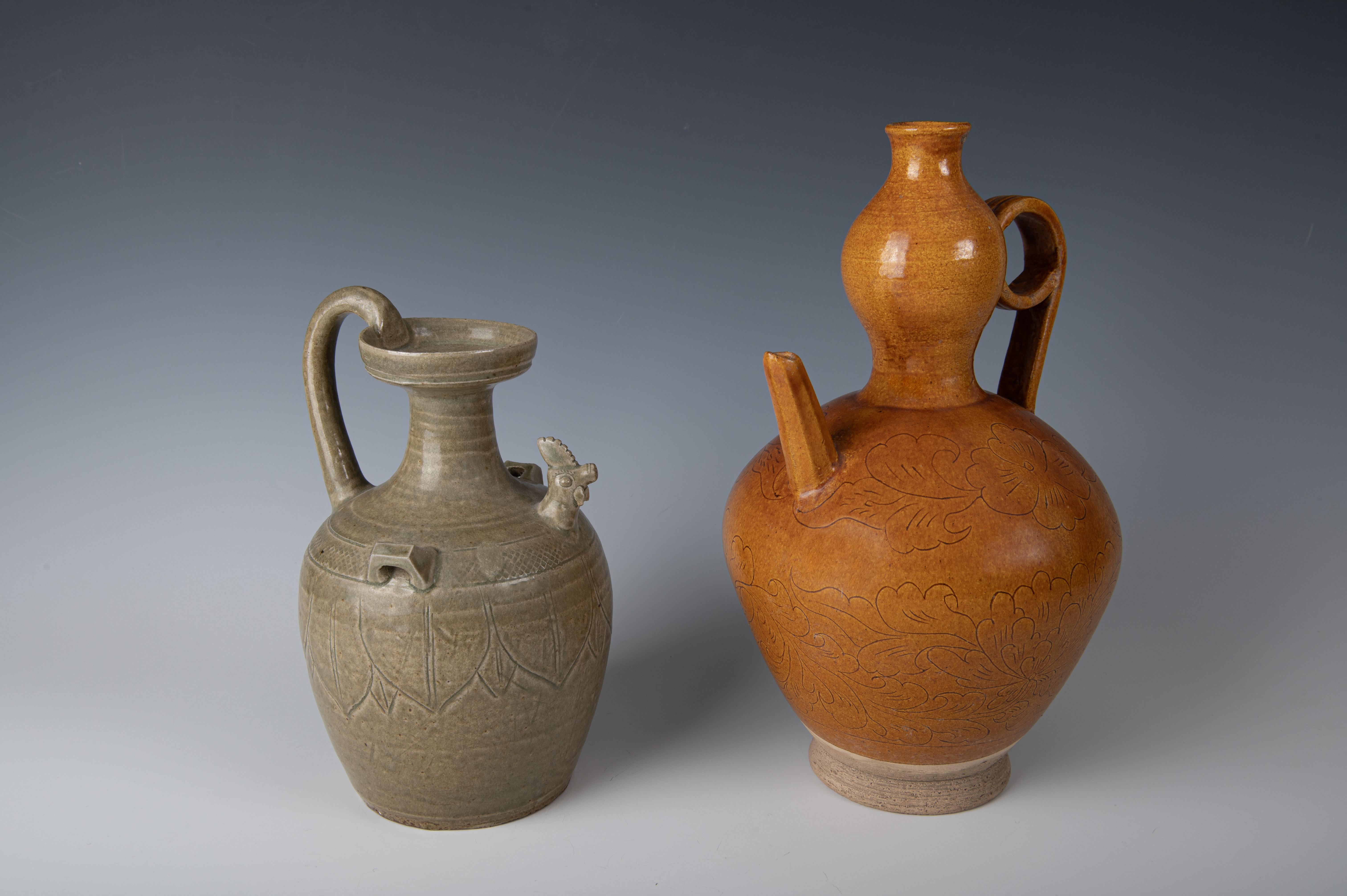
Drawing from the Maxwell Museum’s collections, Entangled Cultures presents diverse global examples of traditional vessels used in the creation and consumption of fermented foods and beverages. The exhibit begins with an overview of how fermentation likely served as a catalyst for human ancestors to develop smaller digestive systems, larger brains and ultimately expand into new environments. It also retraces the origins of many now ubiquitous ferments, such as wine, beer, bread and cheese. Reflections on the ever-changing nature of human-microbe relations are woven throughout the exhibit, which concludes with a peek into our fermented futures, including novel adaptations to climate change and possibilities for interspecies flourishing in the post-Anthropocene world.
For more information about the Maxwell Museum of Anthropology exhibits, visit maxwellmuseum.unm.edu.
For media inquiries, contact Maxwell Museum’s Curator of Public Programs Julián Antonio Carrillo (jac123@unm.edu), or Curator of Exhibits, Toni Gentilli (tgentilli@unm.edu).


